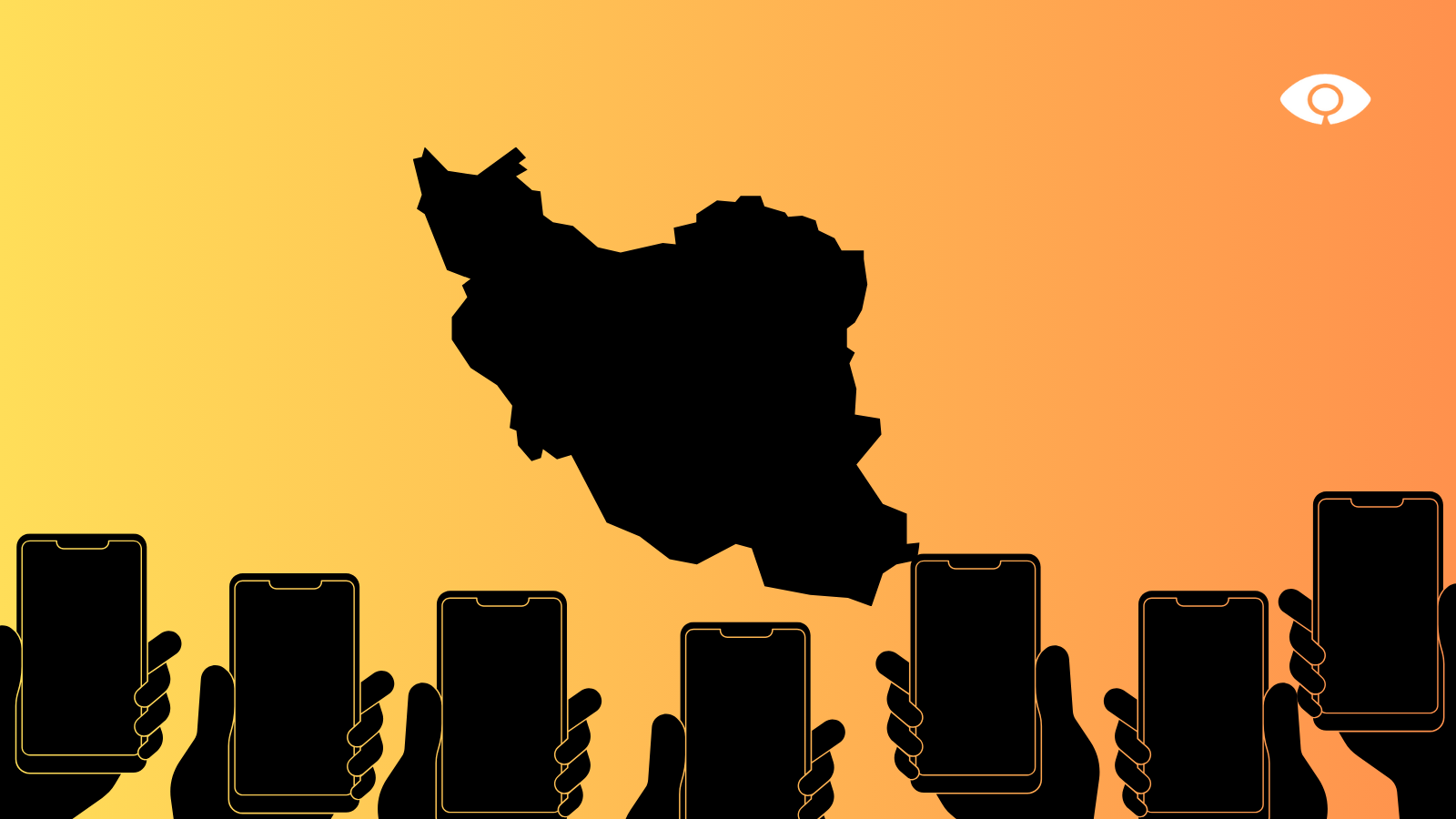
People in different cities of Iran have been protesting against the current regime despite a near-total internet blackout in the country, it has been reported.
In a post on January 12, NetBlocks said that the internet blackout is past the 84 hour mark in Iran. The blackout was first reported on January 8. NetBlocks said that the blackout follows “a series of escalating digital censorship measures targeting protests across the country and hinders the public’s right to communicate at a critical moment”.
Protests began on 28 December 2025 in Tehran over poor economic conditions of the country and quickly spread to other parts of Iran, accompanied by anti-government slogans. In the first thirteen days, prior to the internet shutdown, protests continued in all provinces and in around 120 cities. Chanting slogans including “death to the dictator” and setting fire to official buildings, crowds of people opposed to the leadership have continued to march through major cities.
According to Iran International, protests continued in Tehran, including the Punak neighbourhood, and in Shahsavar in Mazandaran province on Sunday.
Iran Human Rights (IHRNGO) has claimed that at least 51 protesters, including nine children, have been killed, and hundreds more injured in the first 13 days of the nationwide protests. The NGO has reported more killings in Tehran, Mashhad, Karaj and Hamedan. Independent verification of the number of casualties has been difficult to determine because of the communication blackout.
“The nationwide internet shutdown is reminiscent of the bloody crackdown on the November 2019 protests when several hundred protesters were killed. Over the past 13 days, the extent of the government’s use of force against protesters has been increasing, and the risk of intensified violence and the widespread killing of protesters after the internet shutdown is very serious,” said IHRNGO Director, Mahmood Amiry-Moghaddam.
“The international community must act immediately to ensure people in Iran have access to a free internet, and countries that have diplomatic relations with Iran must, in a clear and decisive message, tell the Islamic Republic that the world will not tolerate the killing of protesters,” he added.
On January 9, Iran’s supreme leader Ayatollah Ali Khamenei insisted the Islamic republic would “not back down” in the face of protests. In a state broadcast, he said: “Last night (December 8) in Tehran, a bunch of vandals came and destroyed a building that belongs to them to please the US president. Everyone knows the Islamic republic came to power with the blood of hundreds of thousands of honourable people, it will not back down in the face of saboteurs.”