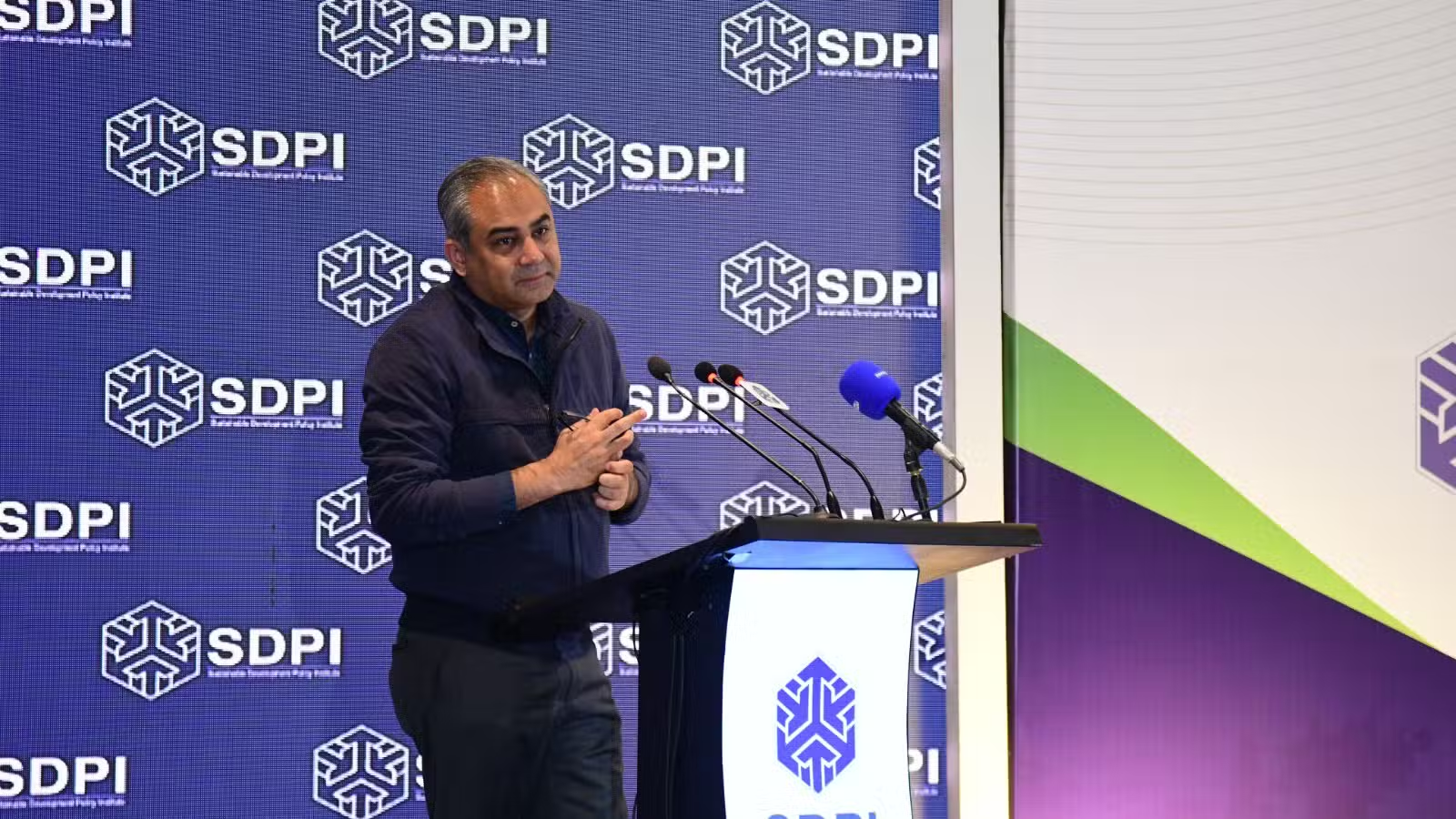
Pakistan Interior Minister Mohsin Naqvi identified what he called “four red lines” for online users in the country. He remarked that everyone in the country needs to be on the same page
The first one is terrorism, the second hate speech, then incitement to violence, and sexual exploitation of children, he shared. “On these four points, there is no compromise.”
Pakistan has paid for terrorism in blood, I [as an interior minister] have attended the funerals of martyrs and very often the hate that killed them began on the mobile phone, he remarked, adding that only 47% of the requests submitted to social media platforms by the Counter Terrorism Department were acted upon by them.
“This is not about technology, this is about the people. We are not saying that free speech must be curtailed. There is no intention like that. Journalists must report, citizens must question, dissent must be heard, including against the government but freedom of speech can never become a shield for those who cross these red lines.”
He made the remarks while addressing an international seminar on Social Media Platforms and Post-Truth Era, organised by the Sustainable Development Policy Institute in Islamabad on Tuesday.
He also said the new Social Media Protection Regulatory Authority (SMPRA) has been set up to tackle online crimes and make sure platforms respond quickly to victims’ complaints. Under the plan he outlined, social media platforms, over-the-top (OTT) services and major content creators will first have to register with the authority.
He said registration is “not a licence to silence anyone”, but a way to establish who is accountable when something goes wrong. Major platforms will also be expected to appoint empowered country representatives who can actually decide on complaints instead of just passing them on.
According to Naqvi, the authority will follow a step-by-step process of engagement, notice and then penalties. Blocking an entire platform will remain a last resort, and any such request will be clear, lawful and public.
The minister admitted that the state lacks the manpower, resources and technology to fight digital crime on its own. He said the National Cyber Crime Investigation Agency (NCCIA) has only 61 personnel in Punjab, including drivers and clerks, for a population of around 140 million. The government plans to strengthen the NCCIA through new recruitment, modern digital forensic facilities and AI-based investigation tools, and NCCIA complaints will move to the PakID app.